crm
CRMChat vs TGStat: Two Tools, Two Different Jobs
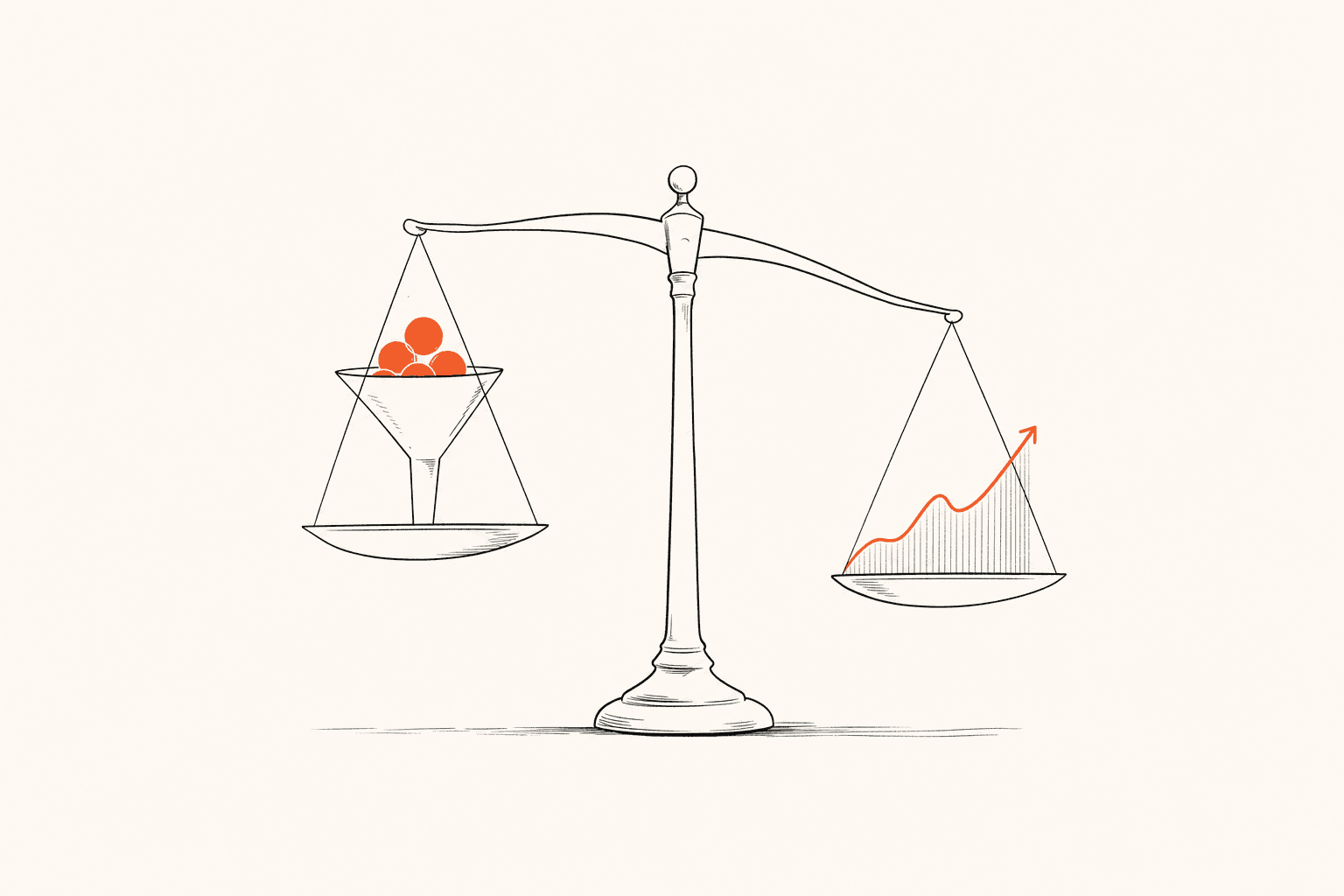
TGStat tracks channels. CRMChat tracks deals. Here's how to tell which one you actually need — and why most sales teams end up needing both for different reasons.
You just closed a 3-hour prospecting session on Telegram. You have no idea which conversations turned into leads, which are dead, and whether anyone followed up. The problem isn't effort — it's that you're trying to run sales with an analytics tool instead of a CRM.
That's the core confusion behind "CRMChat vs TGStat for sales tracking." They sound comparable. They're not. Here's what each actually does — and when you need which.
What is TGStat, and what does it actually track?
TGStat is a Telegram analytics platform focused on channel and public group performance. It gives you subscriber growth, post reach, engagement rates, citation tracking, and channel rankings across categories and regions. It can track up to thousands of public Telegram channels and is widely used by media buyers, PR teams, and marketers who need to measure content reach across the Telegram ecosystem.
What TGStat does not do: track individual conversations, manage deals, assign leads to team members, or tell you whether a specific prospect replied to your message. It has no concept of a sales pipeline, contact record, or follow-up reminder.
What is CRMChat, and what does it track for sales?
CRMChat is a Telegram-native CRM and outreach platform built specifically for sales teams. It tracks deals through a full pipeline — from first contact to closed-won — entirely inside Telegram. Where TGStat tracks channels at scale, CRMChat tracks people at the individual conversation level.
CRMChat lets you manage unlimited leads, assign custom properties (partner type, deal stage, next step, city), set reminders, and get a daily digest of tasks — all without leaving Telegram. Teams using CRMChat report 40% faster deal closure and cut average deal-update time to around 30 seconds.
Side-by-side: where each tool wins
The easiest way to see the difference is to map the tools to specific sales tasks:
Tracking channel subscriber growth: TGStat wins. It's built for exactly this — daily/weekly charts, source breakdowns, historical data.
Managing inbound leads from Telegram DMs: CRMChat wins. TGStat has no contact management.
Running outbound sequences across multiple Telegram accounts: CRMChat wins. TGStat has no outreach features.
Benchmarking your channel against competitors: TGStat wins. It has a public rankings database covering hundreds of thousands of channels.
Tracking which deals are stalled or need follow-up: CRMChat wins. Pipeline stages, custom filters, and reminders are core features.
Measuring ad placement ROI on a Telegram channel: TGStat wins. Its post analytics and citation tracking are purpose-built for this.
Collaborating with a sales team on shared prospects: CRMChat wins. Team workspaces, task assignment, and shared notes are built in.
Identifying which public groups your audience hangs out in: TGStat wins for discovery of public group rankings.
Why sales teams keep mixing these up
The confusion happens because both tools involve "Telegram" and "data." But the data types are completely different. TGStat measures broadcast reach — how many people saw something. CRMChat measures sales activity — what happened with each person.
Think of it this way: TGStat is like Google Analytics for your Telegram presence. CRMChat is your Salesforce — except it lives inside Telegram itself, where the conversations actually happen. If your goal is closing deals rather than measuring content performance, you need a CRM, not an analytics dashboard.
If you're evaluating other tools in this space, the TGStat alternatives breakdown covers five other analytics-focused options that may also be worth comparing.
When you might actually need both
There's a legitimate use case for running TGStat and CRMChat together — and it's common in lead generation workflows.
Use TGStat to identify high-engagement Telegram groups and channels where your target audience is active. Check subscriber counts, engagement rates, and growth trends to qualify which communities are worth targeting.
Export or manually note the groups and channels worth targeting.
Use CRMChat's parsing tools to extract member lists from those groups and load them directly into your pipeline.
Launch outreach sequences from CRMChat across multiple Telegram accounts.
Track every reply, follow-up, and deal stage in CRMChat's pipeline as conversations progress.
Return to TGStat to validate that the channels you targeted were actually the right fit — did engagement in those groups match the response rates you saw in outreach?
TGStat feeds the top of that funnel. CRMChat runs everything below it. They don't overlap — they hand off.
Which one do you need right now?
Answer one question: Is your problem finding the right audiences, or converting conversations into closed deals?
If it's the first — you're a media buyer, content marketer, or PR manager trying to understand Telegram distribution — TGStat is the right tool. It genuinely does that job well.
If it's the second — you're a sales rep or team lead drowning in Telegram DMs with no way to track who's where in the pipeline — you need a CRM, not an analytics dashboard. CRMChat is built for exactly that problem.
CRMChat is a Telegram-native CRM that handles deal tracking, team collaboration, automated outreach sequences, and daily sales digests — all inside the app where your prospects already respond. You can sync your existing Telegram folders in seconds and have a working pipeline in under 30 minutes. Check the guide to Telegram CRM for sales teams if you want a full breakdown of what to expect from the setup.
For teams running structured outreach at volume, the comparison of outbound Telegram platforms is also worth reading before you commit to any stack.
The verdict: TGStat and CRMChat aren't competitors — they don't track the same thing. If someone is comparing them for sales tracking specifically, CRMChat is the only one of the two that actually does it.