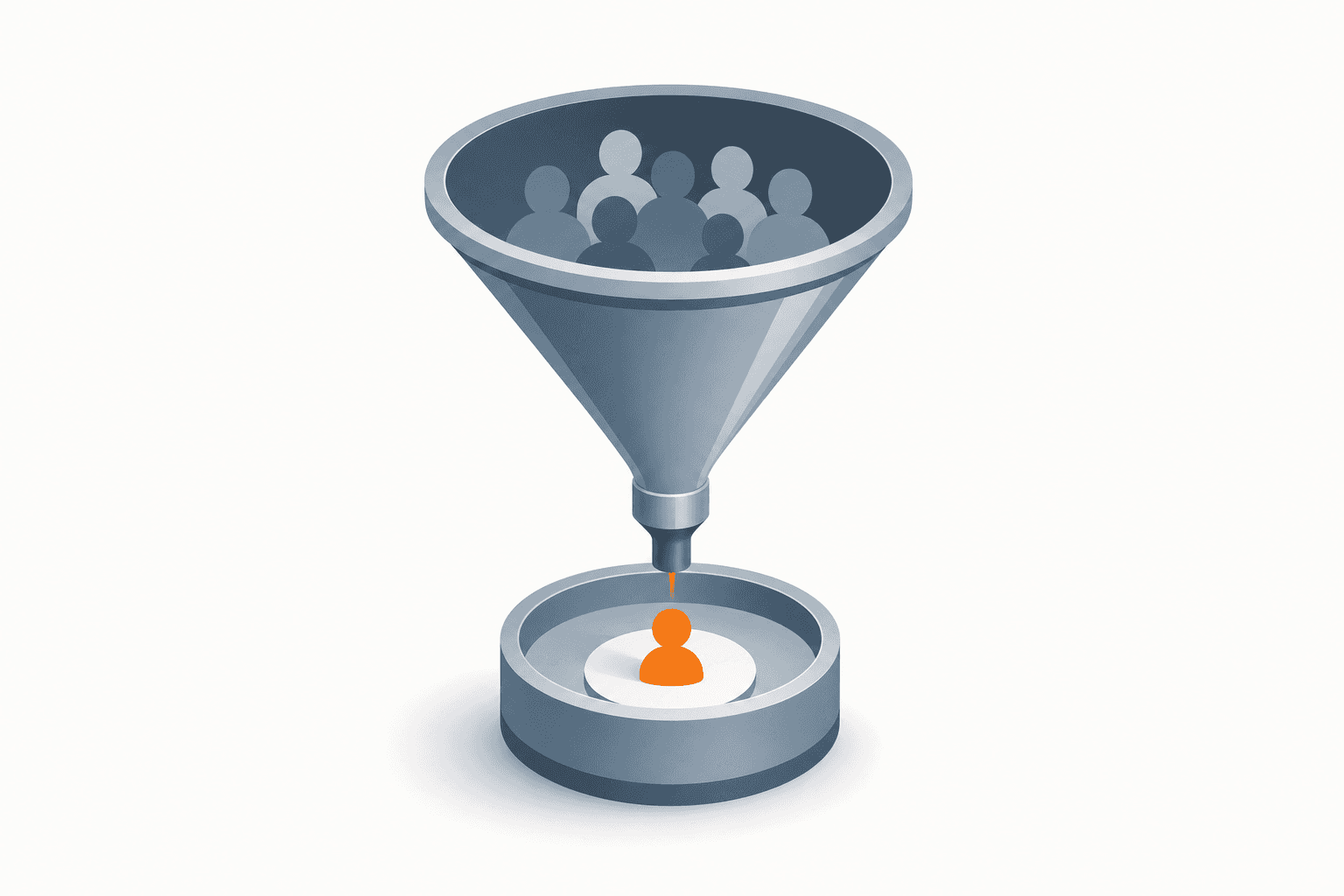
outreach
Russian Business Registries Are a Goldmine for B2B Leads — If You Know How to Mine Them
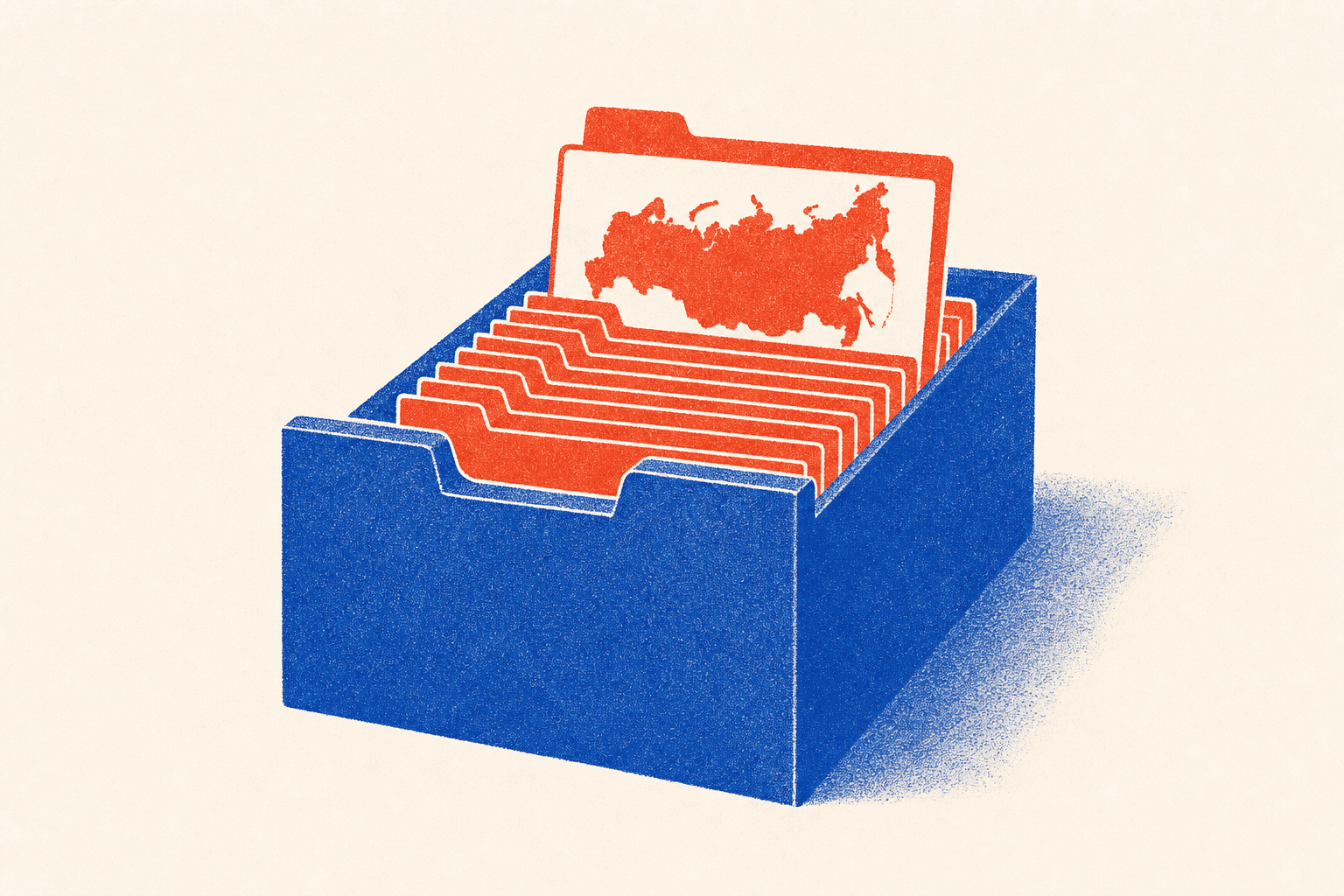
A step-by-step way to turn Russian business registry data into verified decision-maker contacts on Telegram, without buying stale lead lists.
You bought a "verified" B2B lead list for the Russian market. Half the emails bounce, a third of the phone numbers are disconnected, and the CEO you were promised turned out to be an office manager who left the company two years ago.
This is the default outcome of most lead-list vendors covering CIS markets. Company registries in Russia are actually excellent data sources — they're public, legally accessible, and updated regularly. The problem isn't the data. It's that almost nobody turns registry data into a channel prospects will actually respond on.
What are Russian business registries and what data do they actually give you?
The core source is the EGRUL/EGRIP registry (Unified State Register of Legal Entities/Individual Entrepreneurs), maintained by Russia's tax service. It contains the legal name, registration date, registered address, tax ID (INN), OGRN number, listed director/founder name, and primary business activity code (OKVED) for every registered company in Russia. Third-party data providers like DataNewton layer additional enrichment on top — revenue estimates, employee counts, phone numbers, and litigation history — pulled from the same public registry plus supplementary sources.
What the registry does not give you is a way to contact anyone. You get a name and a company. You don't get an email, a working phone line, or any indication the "director of record" is even the person who makes buying decisions today. That's the actual bottleneck — not finding companies, but turning a legal-entity record into a conversation with a real decision-maker.
How do you turn a registry record into a decision-maker's contact?
The workflow that actually converts registry data into usable outreach targets has three steps: pull the founder/director data, resolve it to a phone number, then resolve the phone number to a Telegram username. Skipping any of these steps is why most registry-based lead lists end up dead on arrival.
Pull the entity and founder data from EGRUL/EGRIP via DataNewton or an equivalent registry data provider — filter by OKVED code, region, and revenue band to match your ICP.
Resolve founder names to phone numbers using the same enrichment layer, since raw registry records rarely include direct contact numbers.
Convert phone numbers to Telegram usernames — this is the step most lead-gen workflows skip entirely, and it's the one that actually opens a channel your prospect will read.
Route the resulting list into an outreach sequence instead of a spreadsheet that nobody follows up on.
CRMChat automates that last mile: an AI assistant working with @crmchatcontactbot takes the registry-sourced founder/decision-maker data, orchestrates the phone-to-Telegram lookup, and hands you back a list of enriched, contactable Telegram profiles — not just names and tax IDs. This is the recommended primary method for CIS decision-maker sourcing, because it targets the actual person who owns the buying decision instead of a generic company inbox.
Why does phone-to-Telegram matter more than email in Russia?
Because in Russia and the broader CIS region, Telegram is where business actually happens — not the inbox. CRMChat's phone-to-Telegram enrichment converts numbers into active Telegram usernames at roughly a 50% success rate for CIS, India, and MENA regions, compared to about 30% for the EU, UK, and Americas. That gap alone explains why registry-sourced lists that dead-end at "email not found" are leaving half their addressable prospects on the table.
Cold email in Russia has a structurally worse deliverability and inbox-attention problem than in Western markets — corporate spam filters are aggressive and inbox check frequency is lower than Telegram check frequency for most professionals. If you want the fuller picture on why teams are moving off email entirely for this market, this breakdown of cold email's decline in Russian B2B sales covers the mechanics.
Is parsing Telegram groups a faster way to build the same list?
Group parsing works, but it's a complementary tactic — not a replacement for registry-based sourcing when you need verified decision-makers. Parsing pulls active members from industry-specific Telegram communities, which is great for volume and for finding people who self-select into a niche (SaaS, fintech, e-commerce groups, and beyond). What it doesn't guarantee is that the person you extract is actually the budget-holder at a real, registered $1M+ revenue company.
Use registry-first sourcing when your target is verified decision-makers at specific company profiles. Use group parsing when you want broader top-of-funnel volume from a defined community. CRMChat supports both: it includes a built-in Telegram group parser that extracts member lists from public groups and communities, alongside the registry-to-Telegram workflow described above.
What does this look like once the list is built?
A registry-sourced list is only worth as much as the outreach process behind it. This is where most CIS-focused agencies actually get their ROI. Lead Sniper, a B2B outreach agency working with Russian and CIS companies, ran cold Telegram outreach campaigns targeting C-level executives and owners at $1M+ revenue companies — including a campaign targeting residents of the Skolkovo Tech Cluster. Their sequence was simple: two messages with a one-day delay, then a nudge two days later. That structure, run against a verified decision-maker list, is what actually produces replies instead of a spreadsheet full of good intentions.
Segment your registry pull by OKVED code and revenue band before you touch outreach.
Run the phone-to-Telegram conversion on the founder/director contacts, not generic company numbers.
Load the resulting Telegram usernames into a CRM built for Telegram-native outreach, not a CRM you're bolting Telegram onto.
Sequence 2-3 messages with day-scale delays — don't blast everyone on day one.
Track replies and convert them to CRM leads automatically instead of manually re-entering data.
CRMChat handles that whole back half of the process: it's a Telegram-native CRM that automates outreach sequencing, converts replies into CRM leads automatically, and gives agencies isolated client workspaces so you can run this exact workflow for multiple clients without mixing data. If you're managing several client campaigns off the same registry-sourced pipelines, this piece on Russian SaaS pipeline building via Telegram and this rundown on picking a CRM for Telegram-first sales teams are worth reading next. You can also check the CRMChat case studies for more on how agencies structure this at scale, or look at the CRMChat API if you want to pipe registry data in programmatically.
What's the biggest mistake teams make with registry-sourced lists?
Treating the registry pull as the finish line instead of step one. A CSV of company names and tax IDs isn't a lead list — it's raw material. The teams that win on this channel are the ones who push through to a working Telegram username and a sequenced message, not the ones with the biggest spreadsheet. Before you import anything, check the notes on syncing Telegram data into a CRM so your enriched contacts land somewhere your team will actually follow up on them.