outreach
Before You Hit Send: The Telegram Broadcast Checklist That Prevents Costly Mistakes
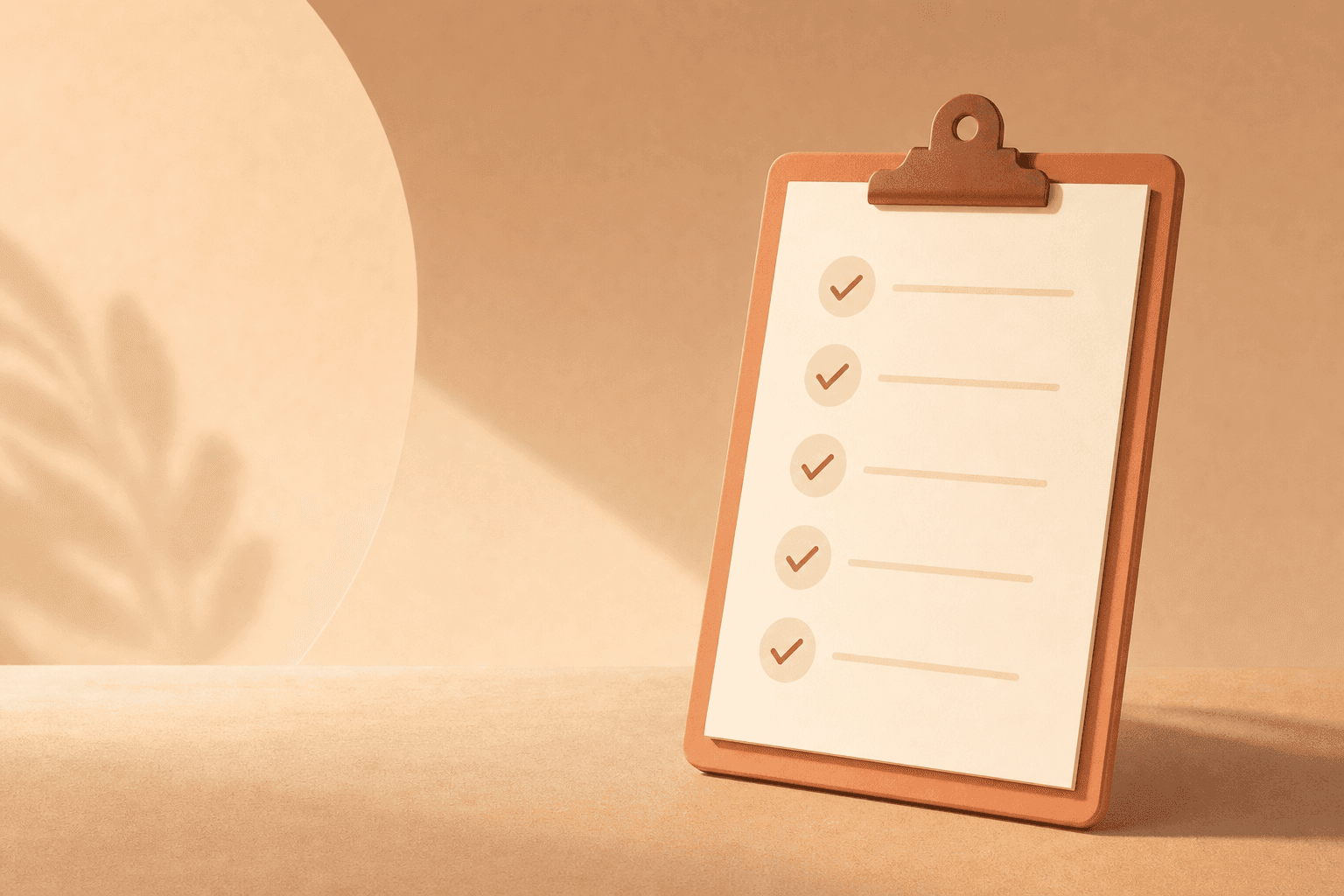
A practical pre-send checklist for Telegram broadcasts — covering audience targeting, message copy, account health, and timing — so every send lands clean.
You just blasted a broadcast to 800 Telegram contacts. The link was broken. The personalization tag showed up as {{first_name}}. And three accounts got flagged for spam before noon.
That's a bad morning. The fix isn't more effort after the send — it's a systematic check before it.
What Does a Pre-Send Checklist for Telegram Broadcasts Actually Need to Cover?
A solid pre-send checklist for Telegram broadcasts covers five areas: audience hygiene, message copy, account health, timing, and fallback handling. Skip any one of them and you're gambling on a send that could burn both your list and your accounts. The most common broadcast failures trace back to just three culprits — broken links, unresolved personalization tokens, and sending from a cold or flagged account.
This checklist isn't theoretical. It's the exact sequence that separates outreach teams who consistently land in DMs from those who get reported into a 24-hour block.
Why Does Account Health Matter Before Every Broadcast?
Telegram doesn't need a specific reason to restrict your account — it responds to patterns. Accounts that send too many messages too fast, especially from a freshly created profile, get flagged by Telegram's automated systems. Research from outreach practitioners suggests that receiving 5–7 spam reports within 24 hours is enough to trigger a temporary restriction, and mass broadcasts are the fastest way to hit that threshold.
Before any broadcast, check:
Account age and warmup status. New accounts need at least 2–4 weeks of natural activity before sending bulk messages. Check your account warmup status if you're using a dedicated sender profile.
Recent send volume. If you sent a broadcast in the last 24 hours, throttle today's send. Spacing messages 30–60 seconds apart reduces the spike signature that triggers flags.
Active restrictions. Try sending a manual DM to a test contact first. If it fails or delays, your account may already be in a soft restriction.
Phone number reputation. Accounts registered with VoIP numbers are flagged at higher rates. Use SIM-registered numbers for primary sender accounts.
CRMChat includes built-in account warming features that automate this process while keeping activity natural and undetectable — so you're not manually tracking warmup timelines across five sender accounts.
Is Your Audience List Actually Clean?
A dirty list doesn't just waste sends — it actively damages your account's standing. Every message sent to an inactive, deleted, or hostile contact is a potential report.
Run through this before every broadcast:
Remove contacts who've blocked you. Sending to blocked users shows as delivered but never read — and can still generate Telegram-side signals. Prune them from your active list.
Segment by engagement recency. Contacts who haven't responded in 60+ days should be in a separate re-engagement sequence, not the main broadcast.
Validate username formats. If you parsed your list from a Telegram group, some handles may be outdated or contain formatting errors. A quick CRM filter for "@" prefix and no spaces catches most of them.
Check for duplicates. Sending the same person two identical messages within minutes is the fastest way to get reported. Deduplicate on username, not just on name.
Confirm opt-in context. Know where every contact on this list came from. "We found you in a public group" is a weaker opener than "you asked about X last month." It also affects your spam rate.
If you sourced your list through group parsing, check how recently those members were active. A group with 5,000 members might have only 800 who've posted or reacted in the past 90 days — that's your real list.
How Do You Proof a Telegram Message Before It Goes to Hundreds of People?
Telegram doesn't have an undo button on DMs. Once it's sent, it's sent. A five-minute proof pass before broadcast saves you from an irreversible mistake.
Check every single one of these:
Personalization tokens resolve correctly. Send a test to yourself or a teammate with a real contact record. Confirm
{{first_name}},{{company}}, and any custom fields render — not the raw token.All links open and go to the right page. Click every URL. Verify UTM parameters if you're tracking campaign source. Check that the page loads on mobile (most Telegram users are on mobile).
No placeholder text left in. Search your message draft for brackets
[ ], angle brackets< >, or the word "INSERT" — common signs of a half-finished draft.Message length fits the format. Telegram DMs can be long, but long isn't better. If your message is over 300 characters, re-read it. Can you cut 20%? You probably can.
Formatting renders correctly. Bold, italic, and inline code display differently across Telegram versions. Test on both desktop and mobile clients.
CTA is singular and clear. One ask per message. "Reply, visit this link, or follow our channel" is three asks. Pick one.
For follow-up sequences, also check that your follow-up timing and message logic doesn't conflict with the broadcast — sending a "did you see my last message?" 10 minutes after a broadcast looks automated and desperate.
What's the Right Time to Send a Telegram Broadcast?
Timing affects both open rates and spam signals. Blasting a broadcast at 3am local time for your audience isn't just ineffective — it looks like bot behavior, and Telegram's systems notice patterns like that.
A few concrete guidelines:
Send during working hours in the recipient's timezone. 9am–12pm and 5pm–7pm consistently outperform midday and evening sends for B2B audiences.
Avoid Mondays before 10am and Fridays after 3pm. Open rates drop 30–40% in those windows — people are either catching up or checking out.
Don't stack broadcasts on the same day. If you sent one broadcast today, don't send another. Even to a different segment. Your accounts' daily volume should stay below what a normal human sender would do.
Schedule, don't manual-fire. Manually triggering a broadcast for 800 contacts in one session creates an unnatural activity spike. Use a scheduler with a send-rate cap.
What Fallback and Compliance Checks Should You Do Last?
This is the step most teams skip because it feels administrative. It's also the one that protects you when something goes wrong.
Confirm your reply routing is set up. When 40 people reply to your broadcast in the next hour, where do those messages go? Make sure your CRM pipeline or inbox is ready to handle the volume before you send.
Set an unsubscribe or opt-out path. Even on Telegram, telling contacts "reply STOP to be removed" reduces hostile reports and builds list trust over time.
Back up your contact list before sending. If a send goes wrong and accounts get restricted, you don't want to lose your list in the chaos. Export a current snapshot to your CRM.
Assign an owner to monitor replies for the first 2 hours. First-hour replies have the highest conversion potential. Don't let them sit. See how high-performing teams handle this in the first-message reply workflow.
Log the broadcast in your CRM. Record what you sent, to whom, and when. This makes A/B comparison and deliverability troubleshooting infinitely easier next time.
CRMChat lets you manage broadcast replies, contact segments, and send scheduling from a single Telegram-native pipeline — so your pre-send checklist and post-send workflow live in the same place, not scattered across five tools.
The Full Checklist at a Glance
Bookmark this. Run it before every broadcast, no exceptions.
Account warmup status confirmed — no active restrictions
Send rate set to 30–60 second intervals, not instant blast
List deduplicated and blocked contacts removed
Inactive contacts (60+ days) moved to separate sequence
All personalization tokens tested and rendering correctly
Every link clicked and verified on mobile
No placeholder text or unresolved brackets in copy
Message has a single, clear CTA
Send time falls within recipient's business hours
Reply routing is set up and an owner is monitoring
Opt-out path included or available on request
Contact list backed up to CRM before send
Eleven items. Takes less than 10 minutes. It's the cheapest insurance policy in your outreach stack.
If you're building out a more systematic Telegram outreach operation, the core reasons cold DMs get ignored are worth reading alongside this checklist — because what you send matters as much as how you send it. And for teams managing multiple sender accounts, the account ban risks in Telegram CRM integrations covers the infrastructure-level checks that sit one layer below this checklist.