outreach
Why Media Buying Community Admins Remove Your Ad Network Posts
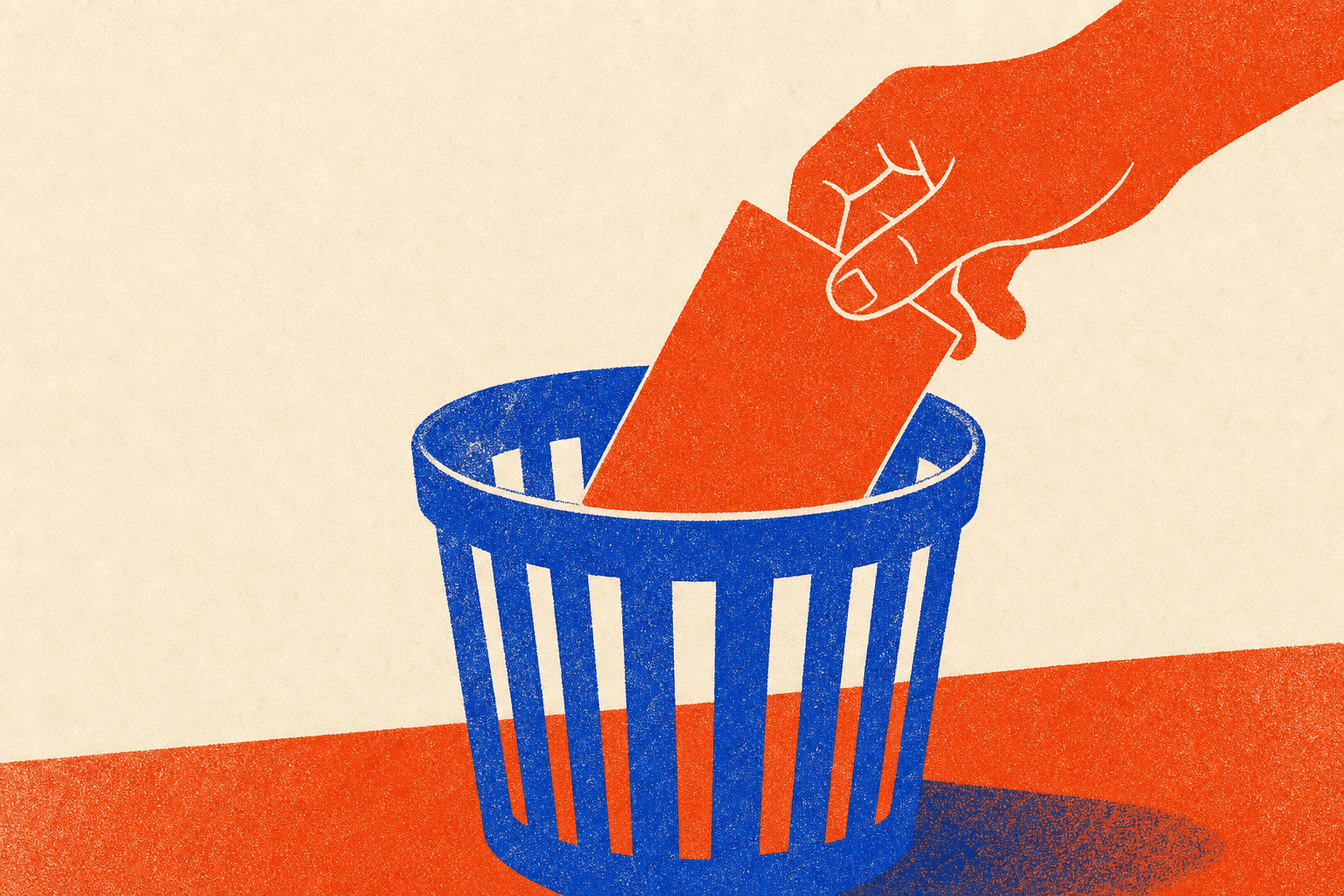
Your ad network's pitch keeps getting deleted from media buyer groups. Here's why admins nuke it in minutes and how to reach buyers without getting flagged.
You posted your ad network's offer in a 15,000-member media buying group. Ninety seconds later it's gone, and you're one warning away from a permanent ban from the community where your actual buyers hang out.
This isn't bad luck. It's a pattern, and once you see why it happens, you can stop wasting your best pitches on posts that never survive long enough to get read.
How fast do admins delete ad network posts in media buying groups?
Most active media buying communities remove unsolicited ad network or account-selling posts within 2-5 minutes of them going live, often before a single member replies. Admins in the bigger groups (5,000+ members) run keyword-triggered auto-moderation bots that flag terms like "accounts," "spend limit," "top-up," or "agency account" the second they're posted — no human review needed.
That speed is the whole problem. You're not being outcompeted on offer quality. You're being filtered out before the offer is even visible.
Why do admins treat ad network posts as spam instead of relevant content?
Because from the admin's chair, your post looks identical to every other unsolicited pitch drowning their group — and letting one through opens the floodgates for a hundred more.
It's an unpaid ad in a group they built for discussion. Admins monetize their own communities through sponsored posts or partnerships. A free pitch from your ad network competes with revenue they're trying to protect.
It has zero context. A cold "we offer verified ad accounts, DM for pricing" post gives no reason to trust you're not a scammer — and media buying groups get hit by fake account sellers constantly.
It breaks the group's stated rules. Nearly every serious media buying community has a no-solicitation rule pinned or in the description. Admins enforce it mechanically, not personally.
It triggers member reports. Buyers who've been burned by shady ad account resellers report these posts on sight, which pushes them past the removal threshold even faster.
It looks like a repost. If your team (or another) posted a similar pitch last week, pattern-matching bots or admins with good memory flag it as recurring spam.
What actually gets your posts left up (or gets you invited to post)?
The accounts that get traction in these groups aren't posting cold offers — they're already part of the conversation when the offer comes up.
Answer real questions first. When someone asks about account bans, spend limits, or which network handles a specific vertical, answer with expertise before ever mentioning your service.
Build a track record under your own name, not a branded "AdNetworkXYZ" account. Admins and members trust people, not company handles.
DM people who show buying signals — someone complaining about a banned account or asking for account recommendations — instead of broadcasting to the whole group.
Ask the admin directly about sponsored posts or partner status. Many groups have a paid slot specifically so businesses like ad networks can pitch without getting deleted.
Warm up your outreach account before DMing at volume. A brand-new account messaging 50 people in a day gets flagged by Telegram itself, independent of what the group admin thinks.
How do you find media buyers without relying on the group feed at all?
The group feed is the worst place to reach media buyers — it's the most crowded, most policed, and lowest-trust channel available. The members list is where the real opportunity is.
CRMChat's Telegram group parser pulls the member list of media buying and affiliate marketing communities into an Excel file broken out by user type — including who's active, who has Telegram Premium, and who's an admin — so you can build a targeted list instead of shouting into a public feed. From there, personalized outbound to individual buyers replaces the pitch nobody wanted in the group chat.
CRMChat also automates the outreach sequence itself, running personalized DM campaigns to that parsed list so each media buyer gets a message relevant to their situation instead of a generic broadcast post. That's the difference between a message that gets deleted and one that gets a reply.
What if the group's member list is private?
You can still get most of it. In groups with private member lists, parsing typically recovers 20-30% of total members — specifically the ones who've commented or sent a message within the last 6 months, which happens to be the most active and most valuable slice of the community anyway.
Identify the 5-10 media buying communities where your target buyers are actually discussing account issues, not just lurking.
Run the parser to extract active commenters, even from groups with private membership settings.
Segment the export by activity and Premium status — Premium users tend to be higher-spend, more serious buyers.
Warm up your outreach account for 1-2 weeks before messaging the list at volume, so Telegram doesn't flag the account for sudden activity.
Send personalized DMs referencing something specific — a recent post, a common pain point — instead of a copy-pasted network pitch.
If you're worried about ban risk from messaging dozens of buyers in a short window, CRMChat's account warmup tool builds real activity history on your account first — joining channels, reacting, having two-way chats — so outreach starts from an account Telegram already trusts.
What should you do instead of reposting in the same group?
Stop treating the group feed as your funnel. It's a discovery tool, not a distribution channel. The moment your post goes up as an unsolicited pitch, you're competing against every other account seller and scammer the admin has already learned to nuke on sight.
Related reading: if buyers keep going quiet after you send pricing, check out why media buyers ghost after requesting ad account pricing — the same trust gap that gets your group posts deleted is often what kills the DM conversation too. And if you're testing a new traffic partnership rather than selling accounts outright, see how to structure a test budget offer for a new traffic arbitrage partner.


