outreach
The Real Reason Some Web3 Agencies Leave Token2049 With Clients (and Most Don't)

Most Web3 agencies burn conference budgets on business cards that go nowhere. Here's the follow-up system that actually converts Token2049 contacts into clients.
You dropped $8,000 on a Token2049 booth, badge scans, and flights. You came home with 200 business cards and a stack of Telegram handles scribbled on napkins. Three weeks later, you've converted exactly one of them into a client.
That's not bad luck. That's a broken follow-up system — and it's the single biggest reason Web3 agencies leave the biggest conferences of the year with a bag of contacts and nothing to show for it.
How many conference leads actually convert into clients?
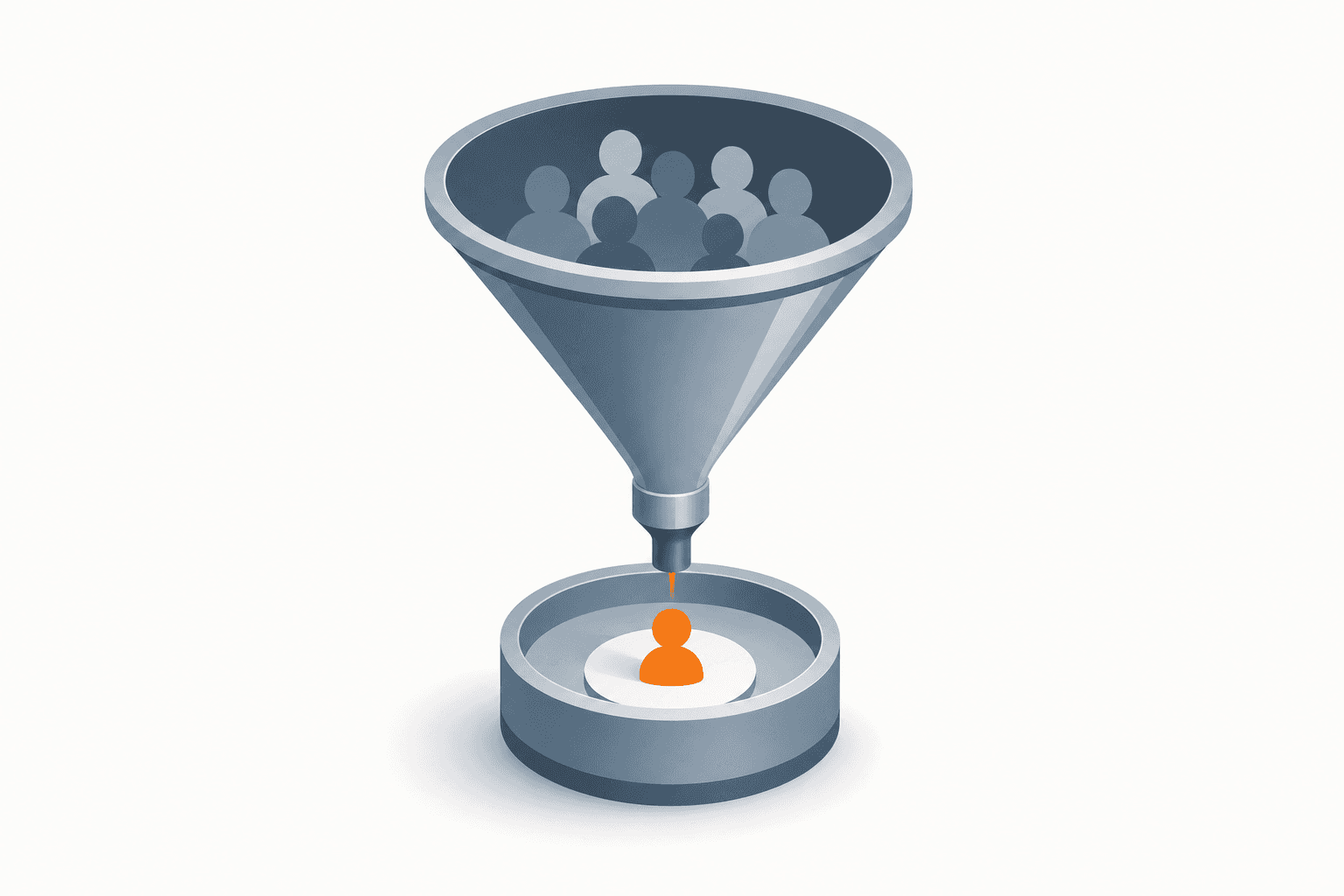
Most Web3 agencies convert somewhere between 2% and 5% of conference contacts into paying clients — and almost all of that gap comes down to how fast and how personally you follow up, not how many badges you scanned. Agencies that follow up within 48 hours with context-specific messages routinely see 3-4x that conversion rate. The bottleneck isn't lead volume. It's what happens in the two weeks after the conference ends.
Here's the uncomfortable truth: the founder you met for 90 seconds at the Devconnect afterparty doesn't remember you. They met 40 other agencies that week. If your follow-up message doesn't immediately reconstruct the context of that conversation, you're just another cold DM in a sea of them.
Why does collecting business cards stop working at scale?
Business cards and screenshot photos of badges don't scale past about 30-40 contacts before they become unmanageable. Once an agency is working 5+ conferences a year, the "pile of contacts in a Notes app" approach collapses entirely — nobody remembers who said what, who's a founder vs. a dev, or who was even interested in the first place.
This is the same failure mode we've seen across agencies trying to run outreach off spreadsheets — it works until it doesn't, and by the time it breaks, you've already lost the deals that mattered.
What does a real conference-to-client pipeline look like?
Agencies that consistently land clients from conferences like Token2049, Korea Blockchain Week, and Devconnect treat the event as the start of a pipeline, not the end of one. The system looks roughly like this:
Research before you land. Pull the speaker list, sponsor list, and side-event attendee lists in advance. Know who's raising, who's launching, and who's hiring BD before you ever shake a hand.
Capture context in real time. Log a one-line note immediately after every conversation — what they're building, what they need, what you promised to send. Memory fades in hours, not days.
Segment same-day, not "when I get home." Tag contacts by role (founder, dev, investor, marketer) and niche (DeFi, NFT, gaming, infra) before you leave the venue.
Follow up within 48 hours. Reference the specific conversation, not a generic "great meeting you." Specificity is what separates you from the other 39 agencies who also met them.
Move warm contacts into a real sequence. One follow-up message isn't a pipeline. Build a 3-4 touch sequence spaced over two weeks that moves them from "nice to meet you" to "let's book a call."
Track everything in one place your whole team can see. If your BD lead and your account manager can't both see the same contact history, you'll double-message people or drop them entirely.
Where do you actually find the right people to talk to at these conferences?
The biggest time sink for Web3 agencies isn't messaging — it's figuring out who to message in the first place. Founders, BD leads, and agency owners routinely burn 10+ hours a week hunting for contacts, only to land on outdated emails and dead Telegram accounts.
CRMChat's Web3 Decision-Makers Database solves this directly: it's a list of 7,000+ verified Web3 Telegram contacts pulled from 10+ major conferences and events, including Devconnect, Token2049, and Korea Blockchain Week. These are real people who physically attended — not scraped bots or dead accounts — organized by role and niche, and delivered as CSV or Google Sheets so you can drop them straight into a CRM or outreach sequence.
That means instead of spending the week before Token2049 manually stalking LinkedIn and Twitter for attendee lists, you can walk in already knowing which founders, developers, and investors from past events are worth a targeted message — before you even see them in person.
How do you keep 200+ new contacts organized without losing deals?
This is where most agencies actually fail — not at the conference, but in the three weeks after it. CRMChat is built specifically for this kind of business development on Telegram: lead research, automated outreach, and deal tracking in one workspace. For Web3 event hosts specifically, agencies report a meaningful increase in event-to-partnership conversion once they move from "collecting business cards" to systematic post-event pipelines — pre-event attendee analysis, speaker background research, and sponsor relationship mapping done ahead of time, then tracked through to close.
If you're running outreach for multiple clients out of the same conference contact list, isolating those campaigns matters too — see our guide on managing multiple client campaigns on Telegram so Client A's leads never get crossed with Client B's.
What should agencies do differently before the next big conference?
Pull a verified contact list of past attendees, speakers, and sponsors before you land — don't wait to network cold.
Assign every team member a workspace so contacts and notes aren't scattered across personal phones.
Set a hard 48-hour follow-up rule for every warm contact, with a templated but personalized message.
Build a real sequence — 3-4 touches over two weeks — instead of one follow-up and a prayer.
Segment contacts by role and niche immediately so your next conference's outreach gets sharper, not repetitive.
Agencies that treat conferences as a systematic pipeline — not a networking event — are the ones who show up to the next Token2049 with warm intros instead of cold DMs. If you're already running Telegram outreach for clients, this same discipline is what separates a real service offering from a favor you do between projects.